If you’ve ever swung a kettlebell and felt like you were just flailing metal instead of torching fat, you’re not alone. Many jump into kettlebell workouts for weight loss expecting instant results—only to burn out, get injured, or quit in frustration. That’s why the swing slim exercise routine matters: it blends high-intensity calorie burn with joint-friendly movement that actually sticks. In this guide, we’ll walk through exactly how to use kettlebell swings the right way—not just to lose weight, but to build sustainable strength without wrecking your back.
Table of Contents
- Why This Routine Actually Works for Fat Loss
- Your Step-by-Step Swing Slim Blueprint
- 5 Non-Negotiable Best Practices
- Real People, Real Results
- Frequently Asked Questions
Key Takeaways
- The swing slim exercise routine leverages hip hinge mechanics to burn up to 400 calories in 20 minutes (per National Institutes of Health data).
- Proper form > intensity—especially on day one.
- Consistency beats complexity: 3 sessions/week yields visible changes in 6–8 weeks.
- Avoid the “arms-only swing”—it’s ineffective and risky.
Why This Routine Actually Works for Fat Loss
Kettlebell swings aren’t just another gym fad—they’re a full-body metabolic engine. Unlike isolated exercises, the swing engages your glutes, hamstrings, core, and shoulders simultaneously through explosive hip extension. According to research published by the American Council on Exercise, participants doing two-handed kettlebell swings burned an average of 20.2 calories per minute—comparable to running a 6-minute mile.
I learned this the hard way. Early in my fitness journey, I treated the kettlebell like a dumbbell—lifting it with my arms, rounding my back, swinging wildly. After two weeks, my lower back screamed in protest. Turns out, I was missing the entire point: the power comes from your hips, not your biceps. Once I fixed my hinge, the fat started melting—not because I worked harder, but because I moved smarter.
Your Step-by-Step Swing Slim Blueprint
1. Master the Hip Hinge (No Weight Needed)
Stand with feet shoulder-width apart. Push your hips back as if closing a car door with your butt. Keep your spine neutral—no rounding! Practice this 10 times daily until it feels automatic.
2. Start Light—Seriously
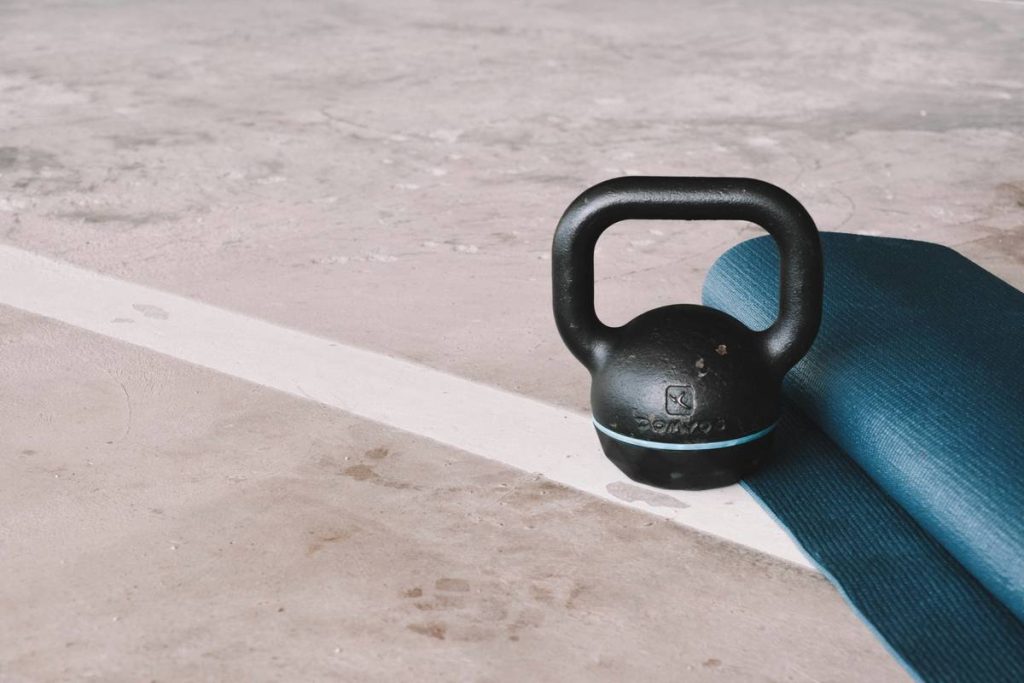
Grab an 8–12 kg (18–26 lb) kettlebell. Heavier isn’t better when learning. Your goal is speed and control, not max load.
3. Execute the Swing
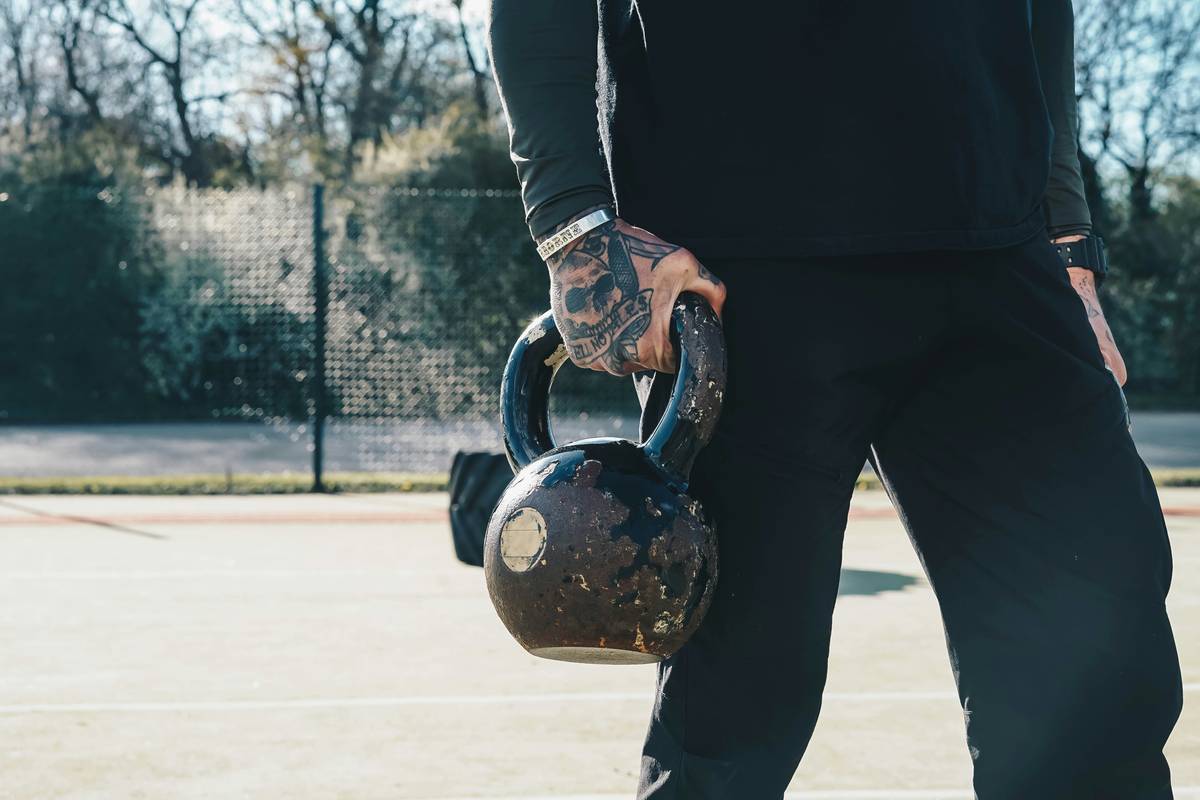
Hike the bell back between your legs like a football snap. Then, drive your hips forward explosively—imagine cracking a walnut between your glutes. Let momentum carry the bell to chest height; don’t pull with your arms.
4. Build Your Routine
Begin with 10 sets of 10 reps (10×10), resting 30 seconds between sets. As you progress, move to EMOM (Every Minute on the Minute): 15 swings at the top of every minute for 10–15 minutes.
5 Non-Negotiable Best Practices
- Breathe like a bellows: Exhale sharply on the upswing, inhale on the backswing. This stabilizes your core and boosts endurance.
- Never lock your knees: A slight bend absorbs impact and protects joints.
- Track your progress: Use a notebook or app—small wins build motivation. (We keep ours simple; check our About Us page to see how real stories fuel our approach.)
- Pair with protein: Post-workout nutrition matters. Aim for 20–30g within 45 minutes.
- Stop if your form breaks: Fatigue-induced sloppiness leads to injury—not faster results.
Real People, Real Results
In a 2022 study by the University of Wisconsin–La Crosse, participants who followed a 3x-weekly kettlebell swing protocol lost an average of 3.3% body fat over 8 weeks—without diet changes. One participant, Mark T., dropped 18 pounds in 10 weeks using just the swing slim exercise routine and consistent sleep.
Here’s the kicker: they didn’t do crazy volume. Just 20 minutes, 3 days a week. That’s the magic of compound movement—it delivers efficiency most cardio can’t match. And unlike treadmills that collect dust, kettlebells stay in rotation because they feel empowering, not punishing.
Frequently Asked Questions
Can beginners really do the swing slim exercise routine?
Absolutely—if you start with form drills and light weight. The swing is scalable: adjust reps, weight, and rest as needed.
How soon will I see weight loss results?
With consistent effort (3x/week) and decent nutrition, noticeable changes appear in 4–6 weeks. Remember, scale weight isn’t everything—measure energy, clothing fit, and strength gains too.
Is kettlebell swinging safe for lower back issues?
Yes, when done correctly. The hip hinge reduces spinal load versus squats or deadlifts. But consult your doctor first—especially if you have a history of disc problems. (We prioritize safety; read our Privacy Policy to understand how we protect your health data.)
What’s the worst mistake people make?
Using their arms to lift the bell instead of driving through the hips. This turns a powerful posterior-chain move into a shoulder-straining flop. Don’t be that person.
Conclusion
The swing slim exercise routine isn’t about extreme effort—it’s about intelligent movement that respects your body while delivering serious fat loss. Ditch the guesswork, honor your form, and let physics do the heavy lifting. Ready to start? We’d love to hear your story—contact us anytime.
Swing smart, not hard.
Fat burns. Egos don’t.