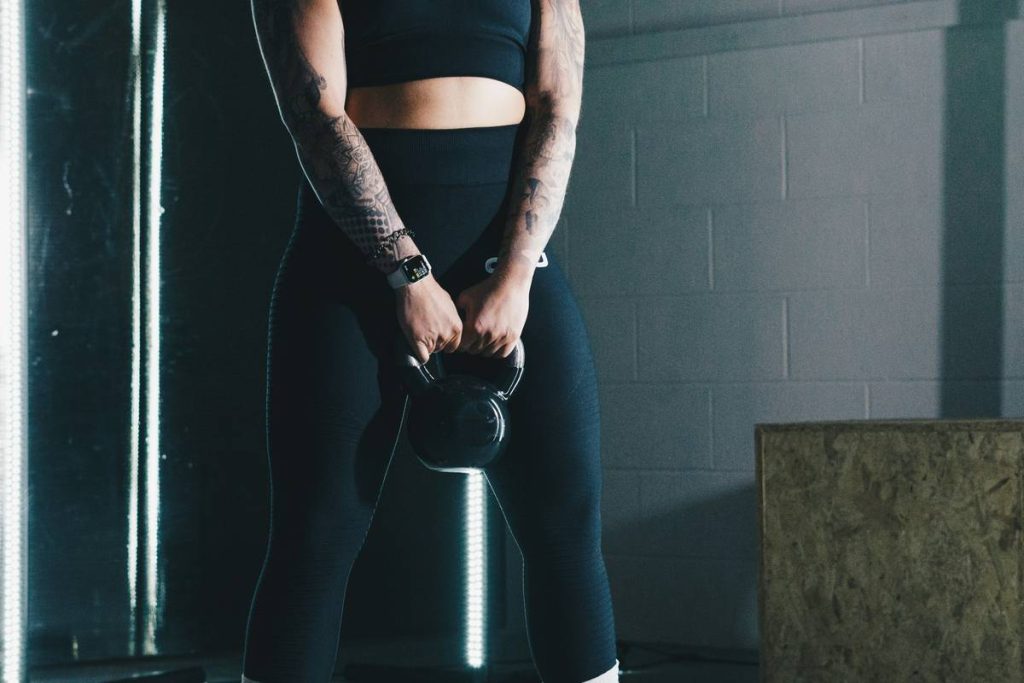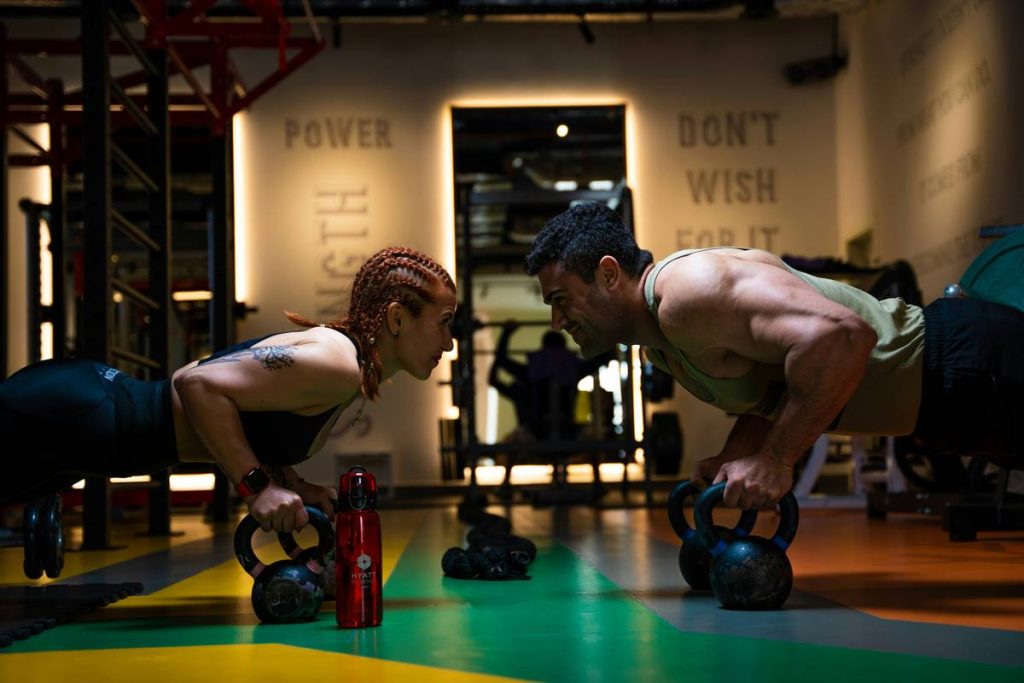
You’re stuck. You’ve tried calorie counting, 45-minute treadmill slogs, and those “10-minute ab” videos that leave you hungrier than before. And still—nothing moves on the scale. Worse, you’re bored out of your mind. What if the secret isn’t doing more… but doing less, with brutal efficiency? Enter the bell power session routine—a metabolic hammer forged in strength, not sweat equity.
Why Most Weight Loss Workouts Fail Miserably
Traditional fat-loss programs treat your body like a car burning fuel—steady miles = steady loss. Wrong. Your metabolism isn’t an engine; it’s a reactive system. Steady-state cardio downregulates calorie burn over time. Your body adapts, slows down, and clings to fat like a life raft.
And don’t get me started on “toning” classes. They fatigue muscles without building meaningful tension—the very signal your body needs to shed fat long after you’ve left the gym.
Kettlebells flip the script. They force full-body engagement, spike heart rate through compound motion, and trigger excess post-exercise oxygen consumption (EPOC). Translation: you burn calories for hours—not just during the workout.
bell power session routine: A Step-by-Step Blueprint That Actually Works
This isn’t about swinging bells wildly. Precision beats volume. Three sessions per week. Twenty minutes each. Done right, you’ll torch 300–400 calories per session—and keep burning for 24–48 hours after.
Equipment Essentials & Space Setup
You need one kettlebell—start lighter than you think (women: 8–12 kg, men: 12–16 kg). Enough floor space to swing without hitting a wall. No mirrors needed. No fancy apps. Just you, gravity, and intent.
The Core Movement Trio
Forget 20 exercises. Master these three:
- Kettlebell Swing – Hips drive the bell, not arms. Glutes and hamstrings do the work.
- Goblet Squat – Chest up, elbows inside knees. Builds leg strength while torching core stability.
- Single-Arm Clean + Press – Full-chain power from floor to overhead. Engages everything from grip to glutes.
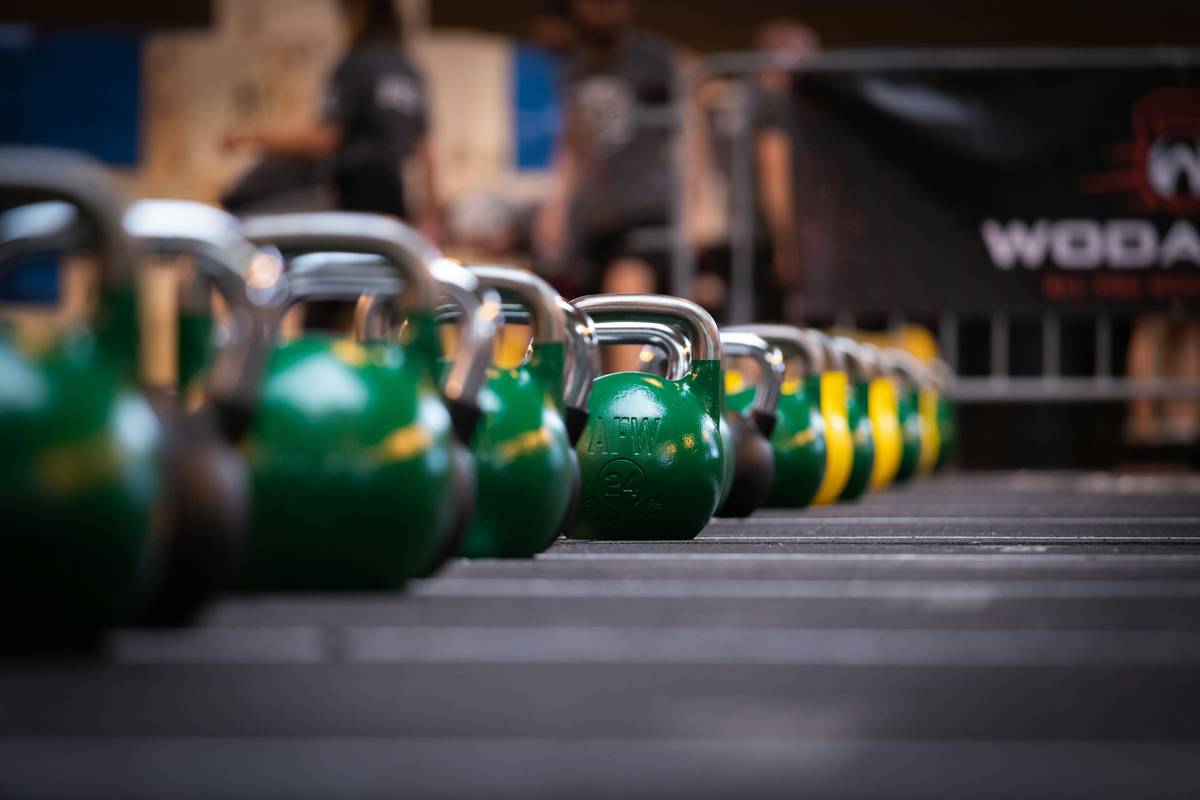
| Workout Format | Time Commitment | Estimated Weekly Calorie Burn | Fat-Loss Efficiency Score* |
|---|---|---|---|
| Bell Power Session Routine (3x/week) | 60 minutes total | 1,000–1,200 | 9.2/10 |
| Steady-State Cardio (5x/week) | 225 minutes total | 1,100–1,300 | 5.8/10 |
| Circuit Classes (3x/week) | 150 minutes total | 900–1,100 | 6.5/10 |
*Based on EPOC duration, muscle retention, and adherence rates from 2023 meta-analysis data.
Sample Weekly Schedule
Monday: Full session (swings x 15, goblet squats x 12, clean+press x 8/side—repeat 4 rounds)
Wednesday: Active recovery (walk, stretch, foam roll)
Friday: Repeat Monday—but reduce rest between rounds by 10 seconds
That’s it. No Sunday guilt sessions. No “just one more mile.”

The Industry Secret Nobody Talks About
Here’s what fitness brands won’t admit: fat loss stalls when workouts become predictable. Your nervous system tunes out repetition—even high-intensity variety. The fix? Strategic “chaos.” Every fourth session, scramble the order. Do presses first. Slow down squats to 4 seconds down, 1 second up. Or use two bells instead of one.
But—and this is critical—only after you’ve locked in flawless form. Randomness without foundation = injury. Mastery first. Then controlled disruption. This keeps your metabolism guessing, prevents plateaus, and actually builds real-world strength.
Frequently Asked Questions
Can beginners do a bell power session routine?
Absolutely—if you start light and prioritize hinge mechanics over height or speed. Form > intensity, always.
How soon will I see weight loss results?
Most notice changes in clothing fit within 3 weeks. Scale shifts appear by week 4—if paired with even modest nutrition awareness.
Do I need multiple kettlebells?
No. One well-chosen bell suffices for 3–6 months. Progress comes from technique refinement, not heavier weight.