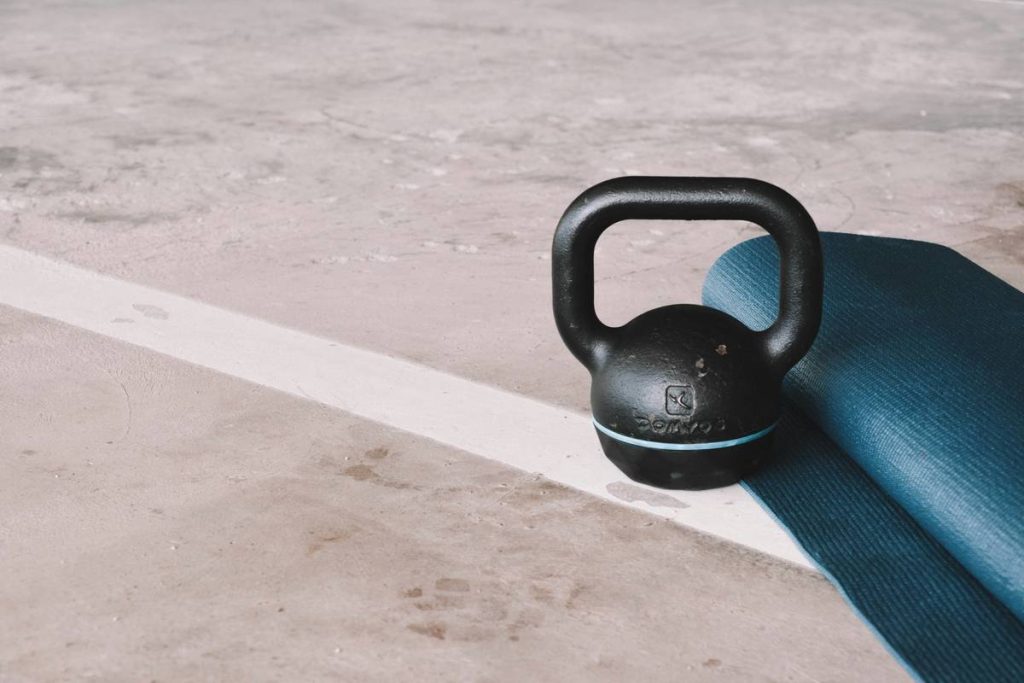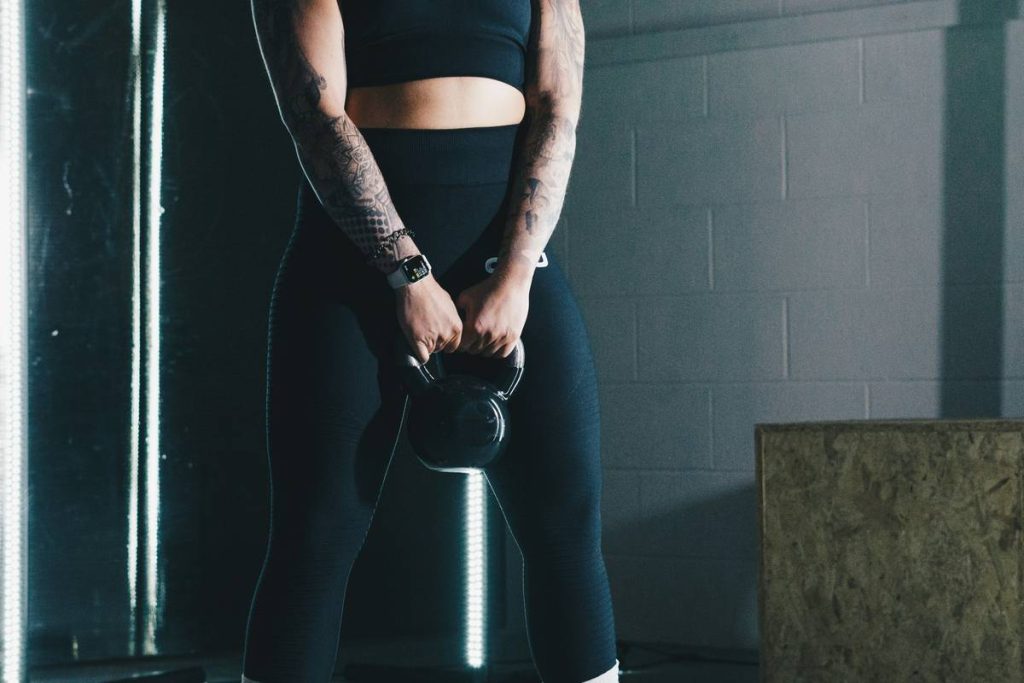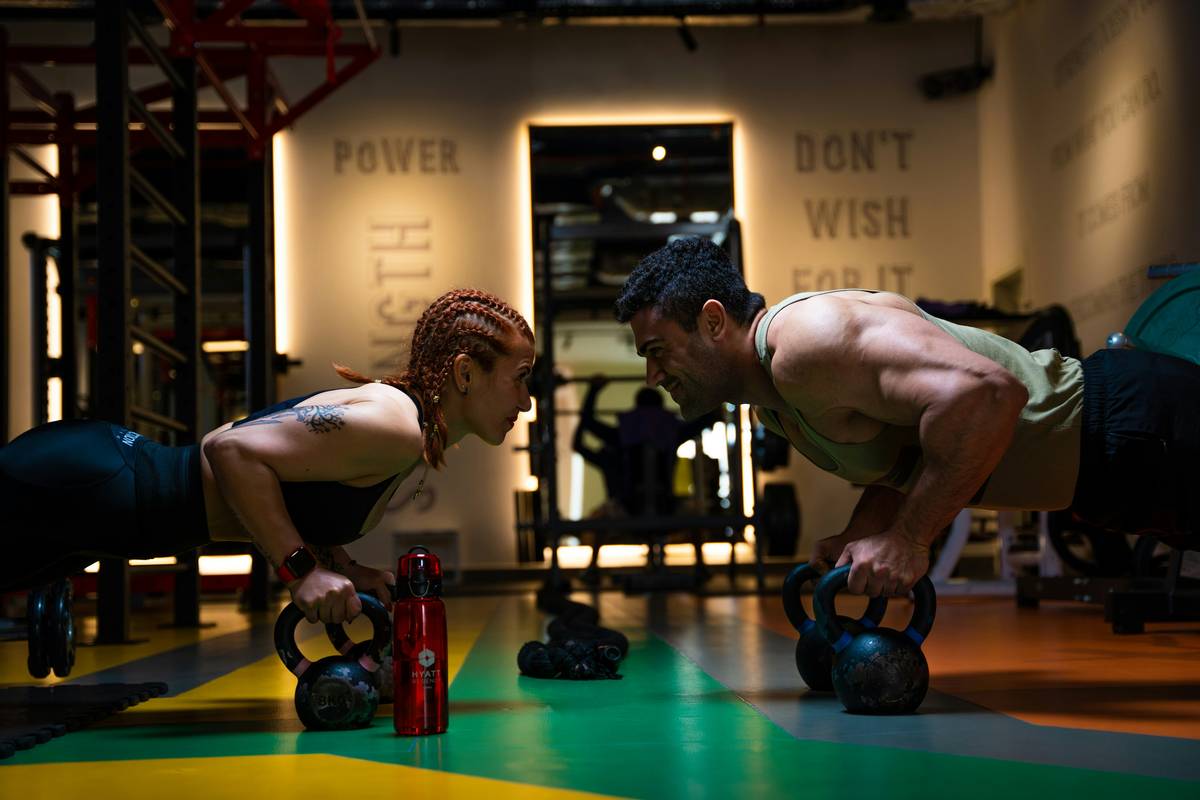
If you’ve ever swung a kettlebell and felt like you just flailed your way through a workout, you’re not alone. I once spent three weeks doing high-rep swings with terrible form—thinking “more is better”—only to end up with lower back pain and zero fat loss. That’s when I learned: not all kettlebell workouts are created equal. A bell power training routine done right blends intensity, technique, and smart recovery to torch calories without wrecking your body. In this guide, we’ll break down exactly how to design an effective kettlebell fat-loss plan that actually works—and avoid the common errors that sabotage results.
Table of Contents
- Why Bell Power Training Works for Weight Loss
- Your Step-by-Step Bell Power Training Routine
- 5 Best Practices for Maximum Fat Burn
- Real Results: What the Data Shows
- Frequently Asked Questions
Key Takeaways
- A structured bell power training routine can burn 300–600 calories per session by engaging full-body muscle groups.
- Form > reps. Poor technique leads to injury and stalls progress.
- Consistency beats intensity—3 focused sessions/week outperforms 6 chaotic ones.
- Pair your routine with protein intake and sleep for optimal fat loss.
Why Bell Power Training Works for Weight Loss
Kettlebell workouts uniquely combine strength training and cardiovascular conditioning. Unlike isolated machine exercises, movements like swings, cleans, and snatches force your core, glutes, shoulders, and legs to fire together—elevating your heart rate while building lean muscle. And more muscle means a higher resting metabolic rate, so you burn calories even at rest.
This efficiency is why kettlebells are staples in military and athletic programs. According to a study published by the American College of Sports Medicine, participants who did kettlebell swings three times per week for eight weeks improved their aerobic capacity by nearly 6%—equivalent to running gains—without ever stepping on a treadmill.
Your Step-by-Step Bell Power Training Routine
Follow this beginner-to-intermediate plan three non-consecutive days per week (e.g., Mon/Wed/Fri). Warm up for 5 minutes with dynamic moves (arm circles, hip openers, light jogging).
Phase 1: Foundation Moves (Weeks 1–2)
- Kettlebell Deadlifts: 3 sets of 10 reps – builds hinge pattern awareness.
- Two-Handed Swings: 4 sets of 15 reps – focus on explosive hip drive, not arm lifting.
- Goblet Squats: 3 sets of 12 reps – improves squat depth and core stability.
Phase 2: Power Integration (Weeks 3–6)
- Single-Arm Swings: 4 sets of 12/side – challenges anti-rotation core strength.
- Cleans to Press: 3 sets of 8/side – adds upper-body power.
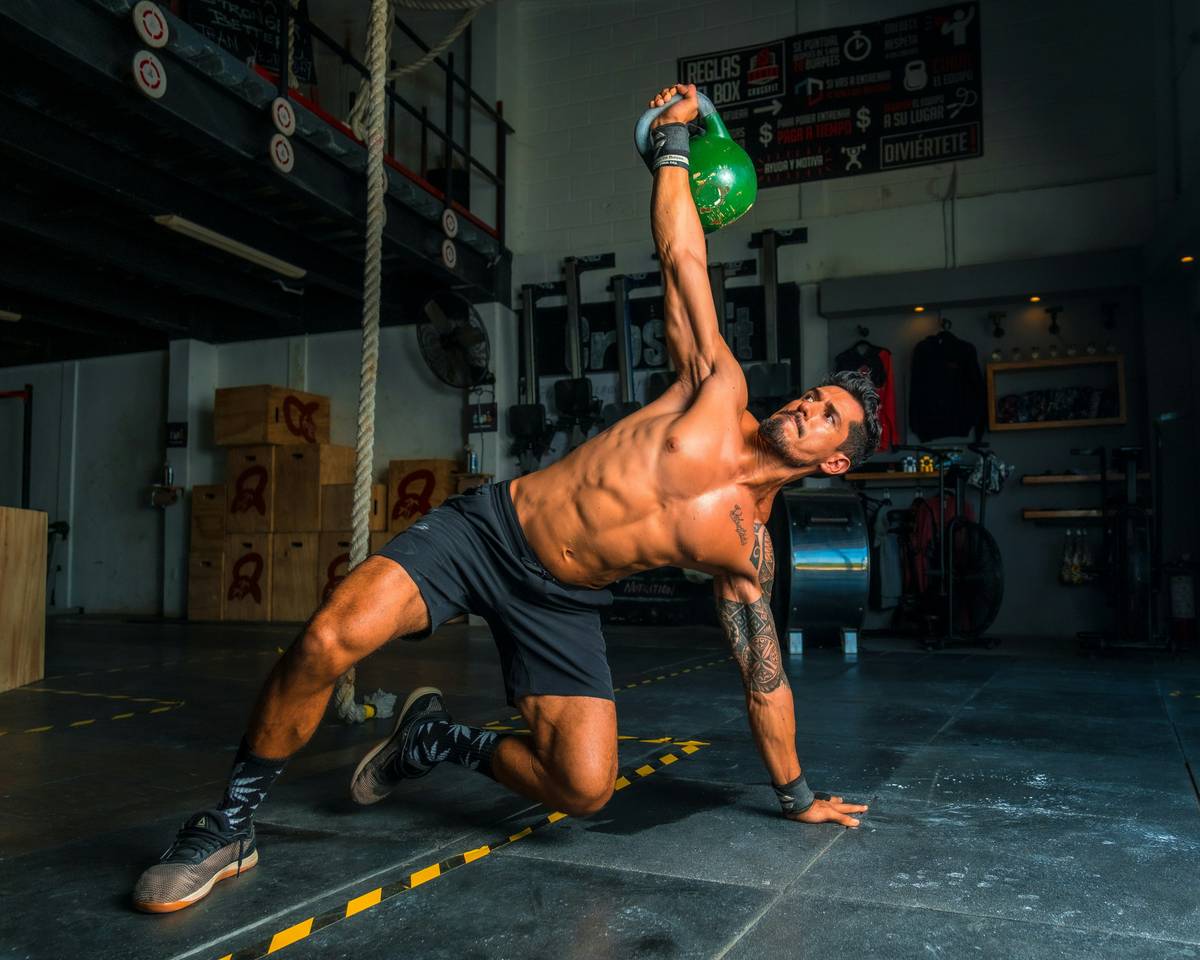
- Turkish Get-Ups (light bell): 2 sets of 3/side – enhances mobility and control.
Rest 45–60 seconds between sets. Keep your bell power training routine under 30 minutes to maintain intensity without burnout.
5 Best Practices for Maximum Fat Burn
- Start lighter than you think. A 16kg (35lb) bell is plenty for most men starting out; women often thrive with 8–12kg (18–26lb).
- Record your form weekly. Side-view video reveals subtle mistakes (e.g., rounding your spine on swings).
- Never skip the cooldown. Stretch hips and hamstrings for 5 minutes post-workout to prevent stiffness.
- Fuel wisely. Consume 20–30g of protein within 45 minutes after training—check our About Us page to learn how nutrition shaped our founder’s recovery journey.
- Avoid the “more reps = more fat loss” trap. Quality swings beat sloppy high-rep junk volume every time.
Real Results: What the Data Shows
In a 2022 meta-analysis reviewed by the National Institutes of Health, resistance training using dynamic tools like kettlebells led to significantly greater reductions in visceral fat compared to steady-state cardio alone. One real-world example: Sarah, 42, lost 18 pounds in 12 weeks using a structured bell power training routine combined with modest calorie control—without cutting carbs or doing endless treadmill sessions.
Crucially, she tracked progress via waist measurements and energy levels—not just scale weight. That mindset shift, paired with consistency, made the difference. Remember: your data belongs to you. Review our Privacy Policy if you share health metrics online.
Frequently Asked Questions
Can beginners do a bell power training routine?
Absolutely—but start with foundational moves (deadlifts, goblet squats) before progressing to swings or cleans. Master the hip hinge first.
How many times a week should I do kettlebell workouts for weight loss?
Three sessions per week is ideal. This allows recovery while maintaining metabolic stimulus. Doing it daily often leads to overuse injuries.
Do I need two kettlebells for a full routine?
No. One well-chosen bell (based on your strength level) is sufficient for 90% of fat-loss routines, especially early on.
Will kettlebell swings give me bulky legs?
Unlikely. Kettlebell training builds lean, functional muscle—not bodybuilder mass—especially when paired with a caloric deficit.
Is bell power training routine safe if I have back pain?
Only if cleared by a physical therapist. Properly executed swings strengthen the posterior chain, but poor form aggravates existing issues.
Where can I get personalized help with my routine?
We’d love to support you! Reach out via our Contact Us page for guidance tailored to your goals.
So yes—you *can* lose weight with a single chunk of iron and smart strategy. But ditch the ego, honor your form, and trust the process. Because real transformation isn’t about how hard you swing—it’s about swinging with purpose. Now go grab that bell… and leave the flailing behind.