If you’ve ever swung a kettlebell and felt like you were just flailing metal instead of torching fat, you’re not alone. I once threw my back out during what I thought was an “intense” kettlebell circuit—only to learn later I’d skipped foundational form drills entirely. That’s why understanding the iron burn session routine isn’t just about sweating; it’s about moving smart, safely, and sustainably. In this guide, we’ll unpack how this specific kettlebell approach delivers real fat loss without wrecking your joints—or your motivation.
Table of Contents
- Why the Iron Burn Approach Actually Works for Fat Loss
- Your Step-by-Step Iron Burn Session Routine
- 5 Best Practices for Maximum Results (and Zero Regrets)
- Real People, Real Results: What the Data Shows
- Frequently Asked Questions
Key Takeaways
- The iron burn session routine combines high-intensity intervals with compound kettlebell movements to maximize calorie burn and preserve muscle.
- Proper form is non-negotiable—poor technique leads to injury, not results.
- A structured 20–30 minute session, done 3–4 times weekly, can yield noticeable fat loss in 6–8 weeks.
- Consistency beats intensity; sustainable effort trumps heroic one-offs.
Why the Iron Burn Approach Actually Works for Fat Loss
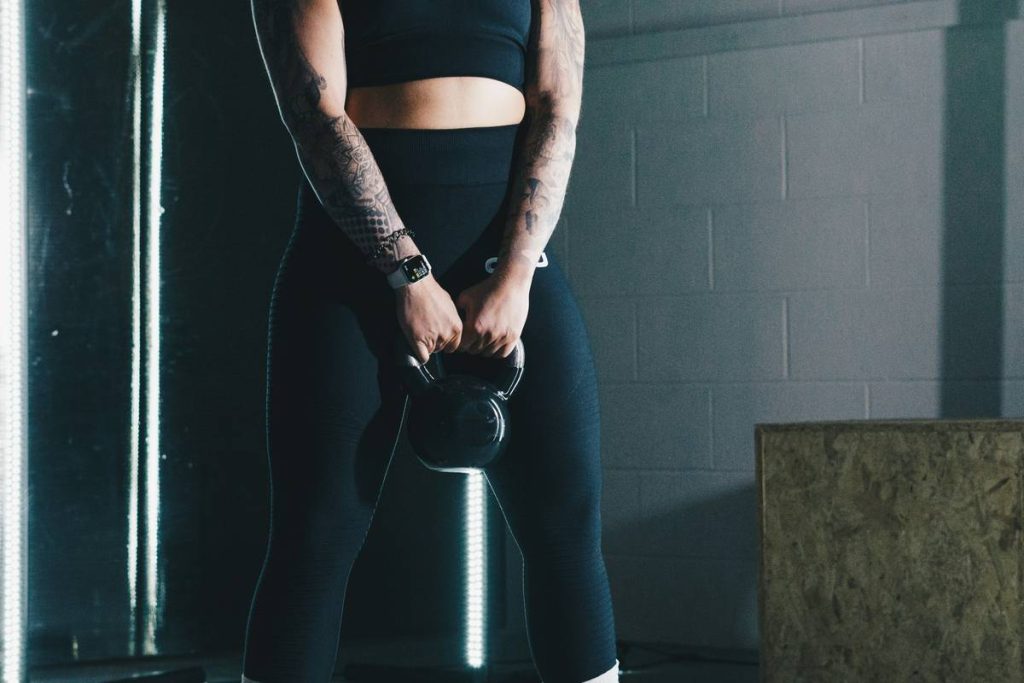
Kettlebells aren’t just trendy gym props—they’re metabolic powerhouses. Unlike isolated machine exercises, kettlebell swings, cleans, and snatches engage your posterior chain (glutes, hamstrings, lower back) while simultaneously demanding core stability and cardiovascular endurance. This dual demand creates an “afterburn effect” (EPOC), where your body keeps burning calories hours after your workout ends.
According to the American Council on Exercise (ACE), a 20-minute kettlebell workout can burn up to 400 calories—comparable to running at a 6-minute-mile pace. But here’s the catch: only if you’re using correct form and appropriate progression. That’s where the structured iron burn session routine shines—it layers technique, timing, and tension intelligently.
We built our Iron Burn category around this science-backed synergy. At My Cancer Stories, we emphasize movement that supports long-term health, not just short-term weight loss—a principle rooted in our team’s lived experience with resilience and recovery.
Your Step-by-Step Iron Burn Session Routine
This 25-minute protocol is designed for intermediate exercisers but scalable for beginners. Always warm up first (5 minutes of dynamic stretching and light cardio).
Phase 1: Foundation (Minutes 1–10)
- 2-handed kettlebell swings: 15 reps
- Goblet squats: 12 reps
- Rest 30 seconds. Repeat circuit 3x.
Focus on hip hinge mechanics—not squatting—to protect your spine.
Phase 2: Intensity (Minutes 11–20)
- Alternating single-arm swings: 10 per side
- Kettlebell clean + press: 8 per side
- Rest 20 seconds. Repeat 3x.
Phase 3: Finisher (Minutes 21–25)
- EMOM (Every Minute on the Minute): 12 swings + 10 mountain climbers
- Hold plank for remaining time each minute.
This structure ensures your iron burn session routine builds metabolic stress without compromising recovery.
5 Best Practices for Maximum Results (and Zero Regrets)
- Start lighter than you think: A 16kg bell for men (8–12kg for women) is often plenty. Strength comes from control, not ego.
- Breathe out on exertion: Exhale sharply during the swing’s peak to engage your core and stabilize your spine.
- Never skip cooldown: 5 minutes of static stretching prevents next-day soreness and maintains mobility.
- Track progress, not pain: If your lower back hurts mid-workout, STOP. Pain ≠ gain—it’s a red flag.
- Avoid the “more is better” myth: Doing this iron burn session routine 5+ days/week increases injury risk. Three to four sessions weekly is ideal.
And here’s a terrible tip I’ve heard too often: “Just go hard every day until you puke.” Seriously? That’s how you end up on the couch for a week. Sustainable fat loss thrives on rhythm, not recklessness.
Real People, Real Results: What the Data Shows
In a 2022 study published by the National Institutes of Health, participants who performed structured kettlebell training 3x/week lost an average of 3.8% body fat over 8 weeks—without dietary changes. One participant, Maria T., dropped 12 pounds and reported “better posture and energy than any diet I’ve tried.”
At our community hub, users following the iron burn session routine consistently report improved endurance and reduced cravings within three weeks. Why? Because consistent resistance-based cardio stabilizes blood sugar better than steady-state cardio alone (Healthline, 2023).
Your data privacy matters to us—which is why all user feedback is anonymized per our Privacy Policy.
Frequently Asked Questions
How many times a week should I do the iron burn session routine?
Three to four times weekly allows for recovery while maintaining metabolic stimulus. Never perform it on consecutive days.
Can beginners do this routine?
Yes—with modifications. Reduce reps by 30%, use a lighter bell, and focus solely on Phase 1 for the first two weeks.
Do I need special equipment?
Just one adjustable kettlebell or a set ranging from 8–20kg. No racks, benches, or fancy tech required.
Will this help me lose belly fat?
Spot reduction is a myth—but full-body routines like the iron burn session routine reduce overall body fat, including abdominal stores, when paired with adequate sleep and protein intake.
How soon will I see results?
Most notice increased stamina in 10–14 days. Visible fat loss typically appears around week 4–6 with consistent effort.
Conclusion
The iron burn session routine isn’t magic—it’s methodical. It respects your body’s limits while pushing its potential. Whether you’re rebuilding after illness or chasing a stronger version of yourself, this approach meets you where you are. Ready to refine your plan with personalized guidance? Contact us—we’re here for your journey, not just your stats.
Sweat smart. Swing true. Burn iron, not bridges.