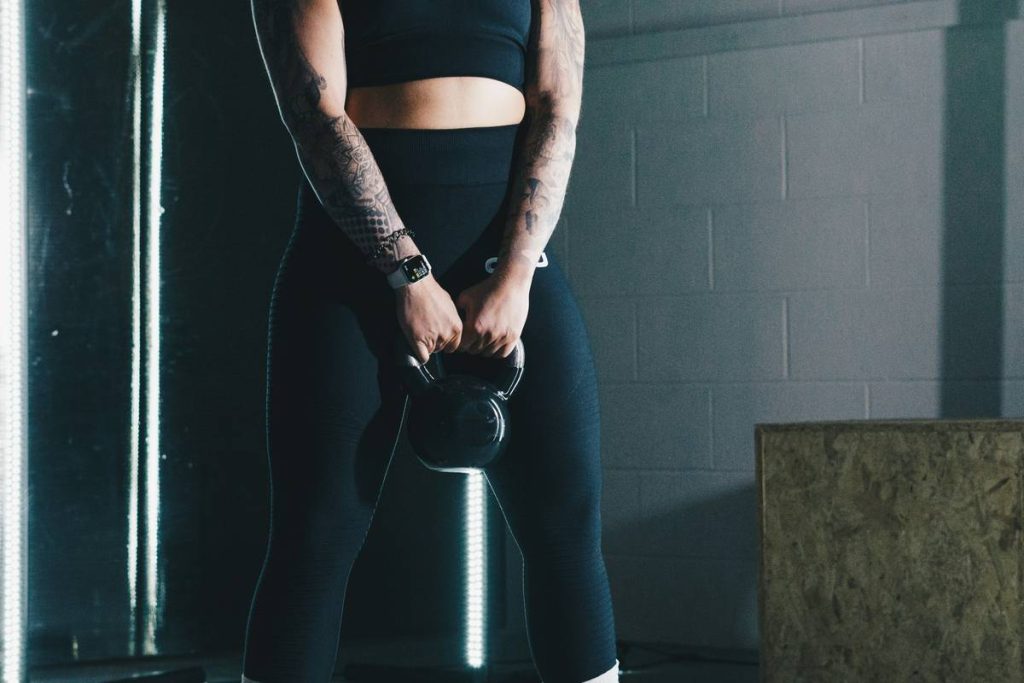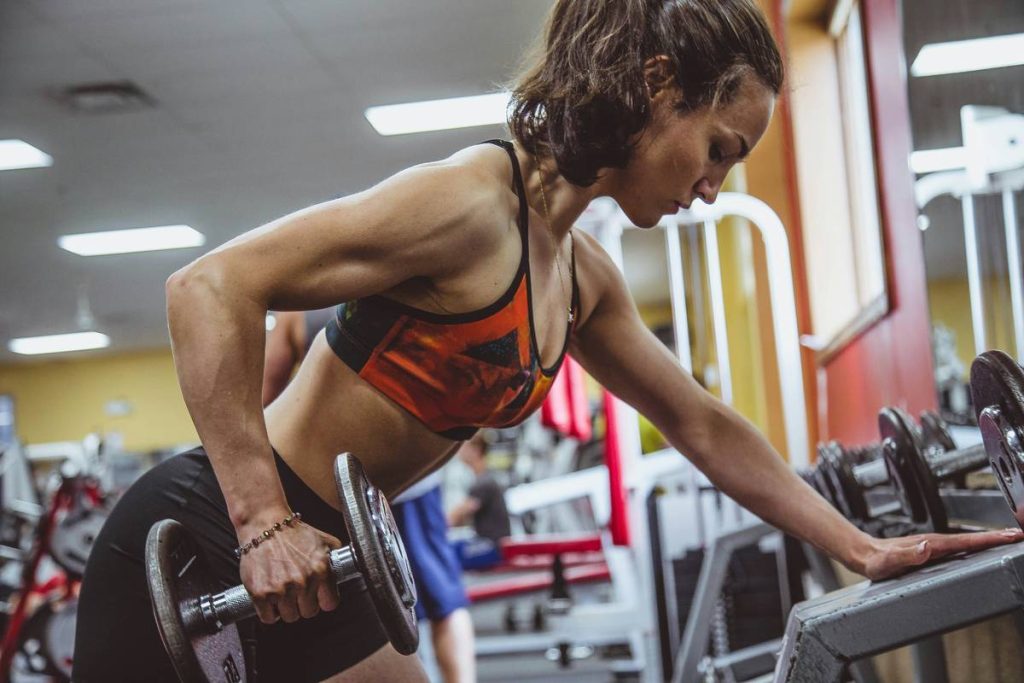
You’ve tried the diets. You’ve logged miles on the treadmill. Yet that midsection fat clings like emotional baggage. The problem? You’re burning calories—but not creating the metabolic chaos your body needs to shed fat for good. Enter the kettlebell fat loss exercise: a brutal, efficient, full-body weapon most gyms ignore.
Why Traditional Fat Loss Routines Fail
Cardio machines lie. They promise fat loss but deliver diminishing returns after week three. Your metabolism adapts—fast. Steady-state running burns maybe 300 calories an hour. Meanwhile, muscle loss creeps in, slowing your resting burn rate. And let’s be honest: who has time for 45 minutes of boredom five times a week?
Isolation exercises—bicep curls, leg extensions—won’t move the needle either. Fat loss isn’t local. It’s systemic. You need movements that hijack your nervous system, spike heart rate, and torch calories long after you’ve left the gym. Most people never get there.
Kettlebell Fat Loss Exercise: Your Step-by-Step Protocol
Forget complicated splits or confusing rep schemes. This protocol hinges on three foundational moves, performed with deliberate intensity and minimal rest. Train 3x weekly. Recover hard. Watch fat melt.
Select Your Primary Movements
Not all kettlebell exercises are created equal for fat loss. Prioritize ballistic, compound patterns that engage posterior chain + core simultaneously:
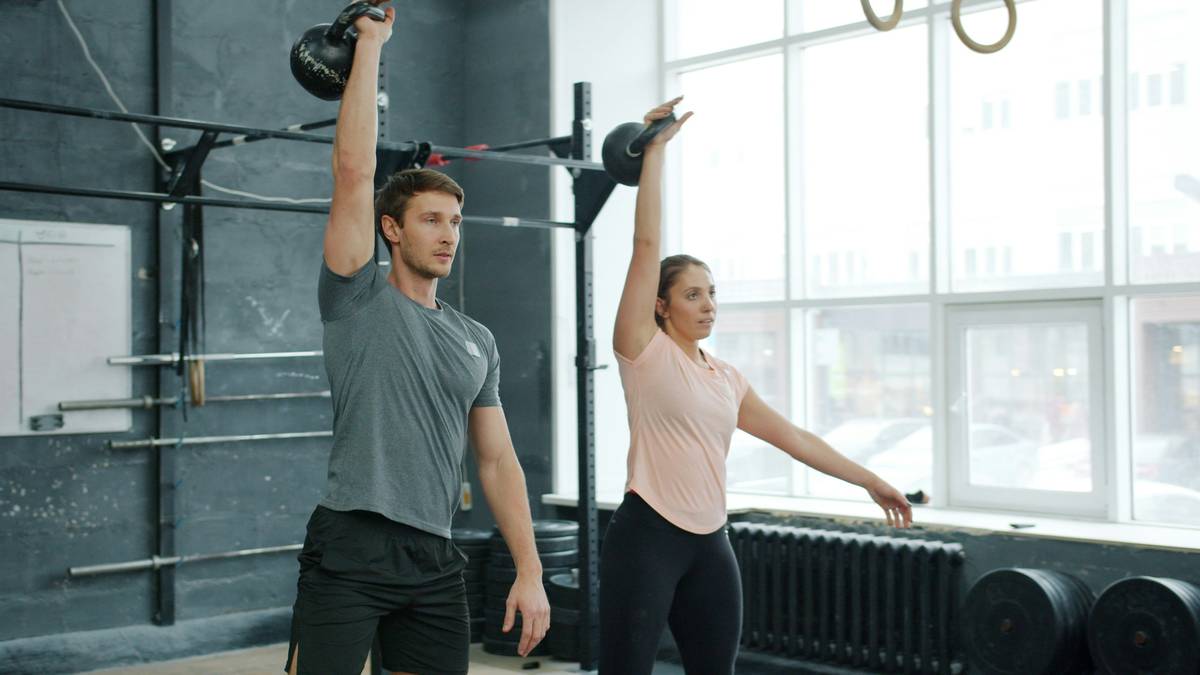
- Kettlebell Swing – The king of metabolic conditioning.
- Turkish Get-Up – Full-body tension builder; elevates EPOC.
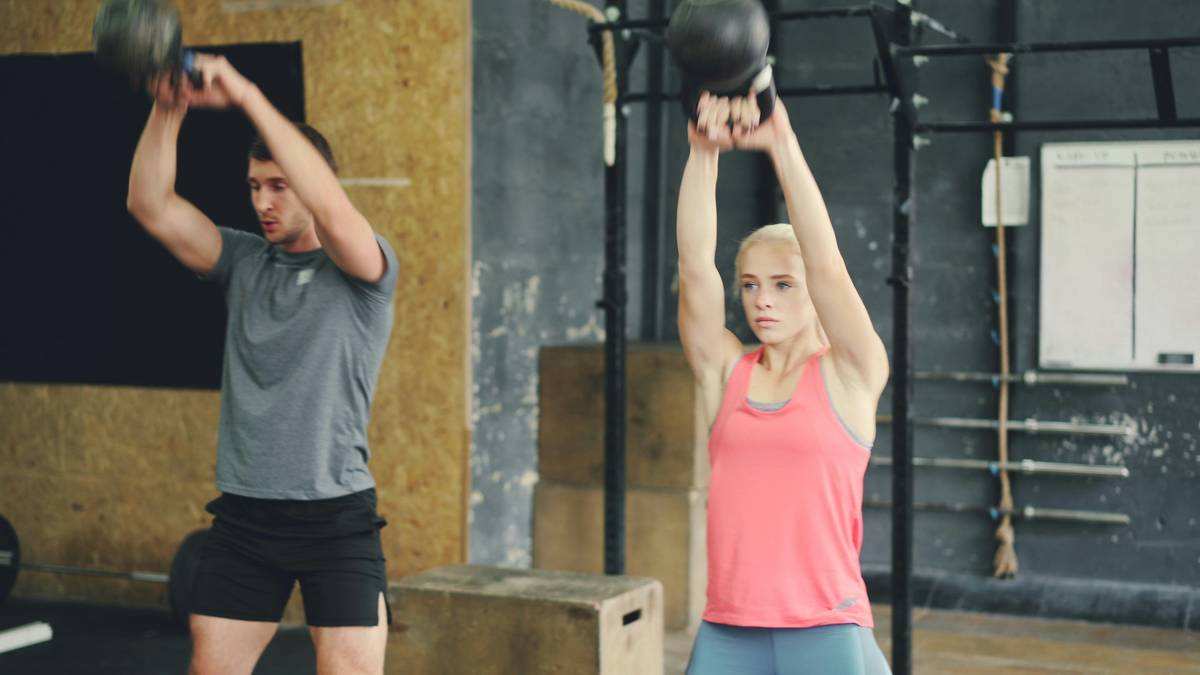
- Double Clean & Press – Unleashes upper-body power + core stability.
Structure Your Weekly Sessions
Keep sessions under 30 minutes. Density beats duration. Example template:
- Dynamic warm-up (3 min): cat-cow, arm circles, hip openers
- Circuit A: 10 swings, 5 get-ups/side — 4 rounds, 45 sec rest
- Circuit B: 8 double cleans, 6 presses/side — 3 rounds, 60 sec rest
- Cool-down stretch (2 min): deep squat hold, thread-the-needle
Progressive Overload Without Plateauing
Add weight only when form stays pristine for all reps. Better yet? Shorten rest intervals first. A 10-second reduction can spike calorie burn more than adding 4 lbs to the bell. Track your work density—not just load.
| Method | Calories/Hour | Muscle Engagement | EPOC Effect | Time Required |
|---|---|---|---|---|
| Kettlebell Fat Loss Exercise | 600–900 | Full-body (esp. glutes, hamstrings, shoulders) | High (up to 48 hrs) | 20–30 min |
| Treadmill Running | 400–600 | Lower body only | Low (6–12 hrs) | 45–60 min |
| Machine Circuit Training | 300–500 | Isolated muscle groups | Minimal | 50+ min |
The Industry Secret No Gym Will Tell You
Here’s what certification manuals won’t admit: fat loss happens between sets—not during them. The real magic of kettlebell training lies in Excess Post-exercise Oxygen Consumption (EPOC). Swings and get-ups create massive oxygen debt. Your body scrambles post-workout to restore balance—burning fat while you sip coffee or sleep. Most trainers push volume. Smart ones manipulate recovery. Keep rest periods tight (≤60 sec), maintain crisp technique, and let your biology do the dirty work.
And don’t fall for “heavy is better.” A too-heavy bell ruins swing mechanics—turning a hip-hinge into a squat-lift hybrid that murders your spine. Start light. Master the hinge. Then scale.
Frequently Asked Questions
Can beginners do kettlebell fat loss exercise safely?
Absolutely—if they prioritize form over weight. Start with a 8–12 kg bell. Learn the deadlift hinge first. One flawless set beats ten sloppy ones.
How soon will I see fat loss results?
With consistent 3x/week training and moderate nutrition tweaks, visible changes appear in 3–4 weeks. Non-scale victories (energy, posture) show up faster.
Do I need two kettlebells or just one?
Begin with one. Double-bell work demands advanced coordination. Stick to single-bell swings and get-ups until your core stabilizes under load.