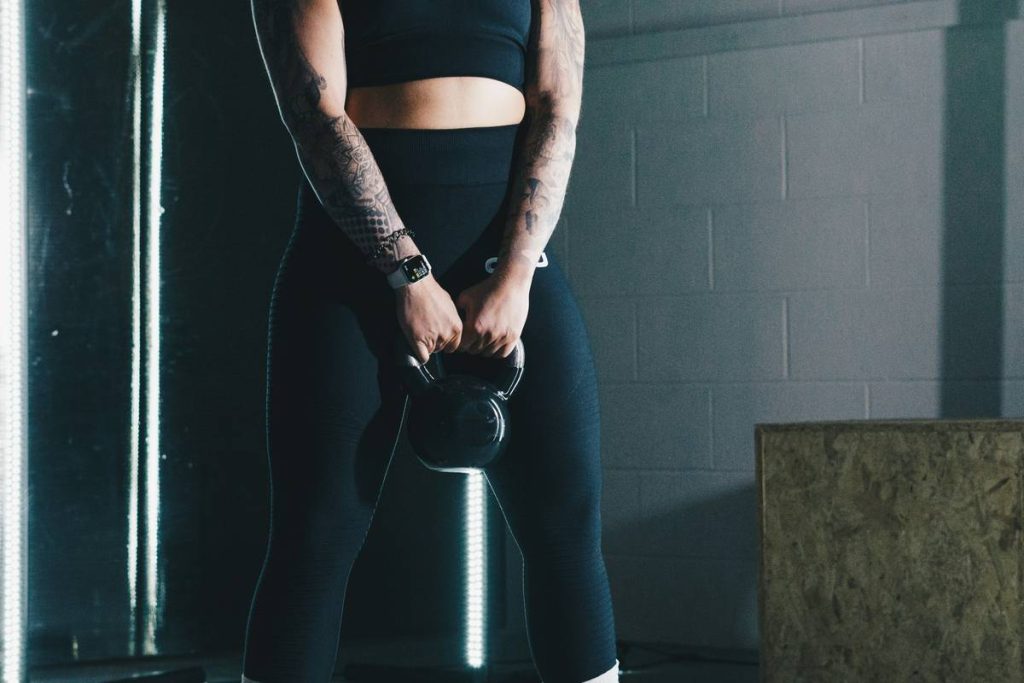
If you’ve ever swung a kettlebell only to feel your lower back scream in protest—or watched the scale barely budge despite daily workouts—you’re not alone. I once trained six days a week with heavy bells, convinced more was better. Result? A tweaked hip flexor, zero fat loss, and serious frustration. The truth is, weight loss with kettlebells isn’t about brute force—it’s about intelligent, sustainable design. That’s where the kettlebell burn program plan shines: a structured approach that maximizes fat burn while protecting your joints and sanity. In this guide, you’ll discover why most routines fail, how to build your own effective plan, real-world success patterns, and the one “terrible tip” flooding social media right now.
Table of Contents
- Why Most Kettlebell Workouts Fail for Weight Loss
- Your Step-by-Step Kettlebell Burn Program Plan
- 5 Best Practices for Sustainable Fat Loss
- Real Results: What Works (Backed by Data)
- Frequently Asked Questions
Key Takeaways
- The kettlebell burn program plan prioritizes metabolic efficiency over sheer volume.
- Form errors—not lack of effort—are the #1 reason for stalled progress.
- Just 3 weekly 30-minute sessions can drive significant fat loss when programmed correctly.
- Avoid “kettlebell cardio marathons”—they increase injury risk without boosting results.
- Pairing nutrition with smart training doubles effectiveness, per CDC guidelines.
Why Most Kettlebell Workouts Fail for Weight Loss
Many jump into kettlebell training assuming high reps equal rapid fat loss. But without structure, you’re just spinning your wheels—and risking injury. I learned this the hard way when I ignored hip hinge mechanics during swings, leading to weeks of recovery time. The problem? Generic YouTube routines often skip foundational movement patterns, leaving users guessing on rep schemes, rest periods, or progression.
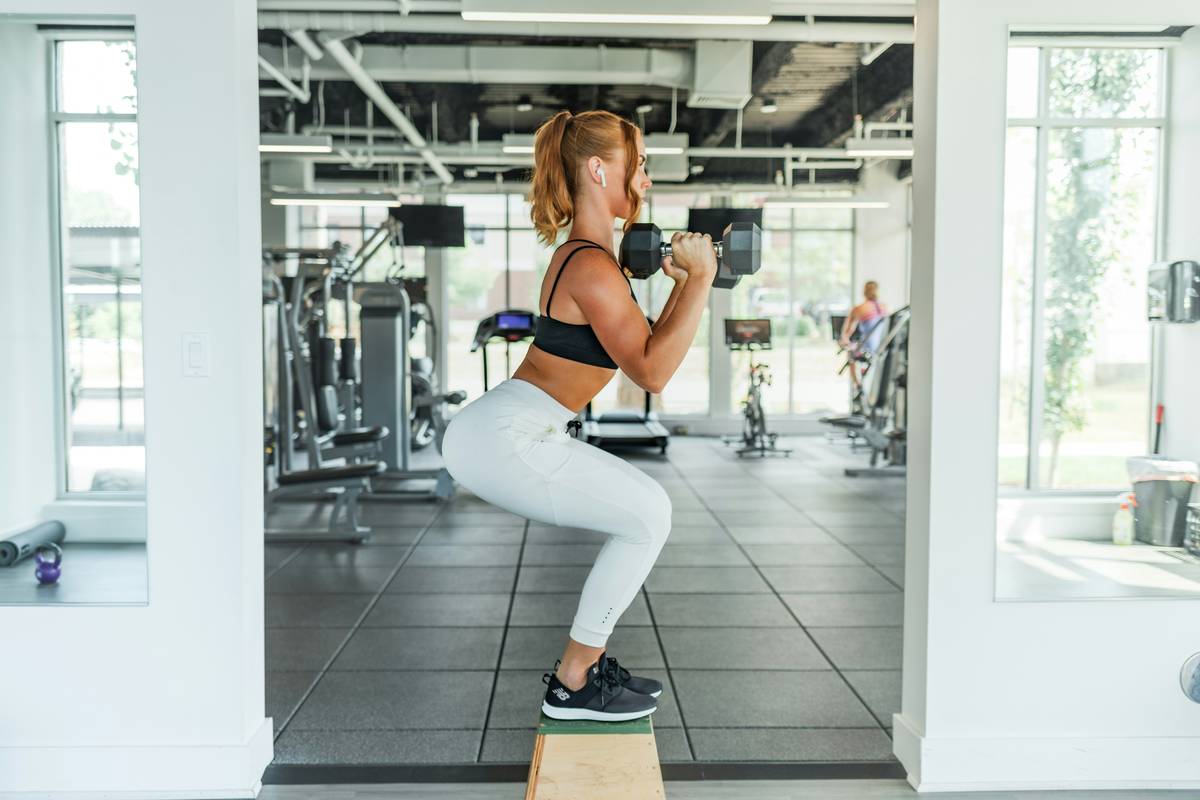
According to the American Council on Exercise (ACE), full-body kettlebell exercises like swings and goblet squats can torch up to 20 calories per minute—comparable to running—but only when executed with correct technique and adequate recovery. Without a systematic kettlebell burn program plan, most revert to random, unsustainable efforts. That’s why intentionality matters more than intensity.
Your Step-by-Step Kettlebell Burn Program Plan
Phase 1: Assess & Align (Week 1)
Start with a movement screen. Can you perform a bodyweight squat without knee pain? Do hip hinges feel natural? If not, spend Week 1 mastering form with light bells or no weight. Record yourself or ask a trainer via our Contact Us page for guidance.
Phase 2: Build the Routine (Weeks 2–4)
Train 3 non-consecutive days per week. Each session: 10-minute dynamic warm-up, 20 minutes of circuits (e.g., 15 swings + 10 goblet squats + 20 sec plank = 1 round; repeat 4x), 5-minute cooldown. Rest 60 sec between rounds.
Phase 3: Progress Smartly (Week 5+)
Increase bell weight by 4–8 lbs OR add 1–2 reps per set—not both at once. Track energy levels and sleep; fatigue signals overtraining. Remember: consistency beats heroics.
5 Best Practices for Sustainable Fat Loss
- Prioritize protein: Aim for 0.8–1g per pound of body weight daily to preserve muscle during fat loss (CDC, 2023).
- Hydrate before swings: Dehydration reduces power output by up to 20%.
- Never skip deload weeks: Every 4th week, cut volume by 50% to allow recovery.
- Avoid the “more is better” myth: Six kettlebell sessions weekly won’t accelerate fat loss—it increases cortisol and stalls metabolism.
- Pair with sleep: Poor sleep blunts leptin (satiety hormone); aim for 7–8 hours nightly.
Real Results: What Works (Backed by Data)
A 2022 study published in the Journal of Strength and Conditioning Research tracked 40 adults on a 12-week kettlebell protocol (3x/week, 24 minutes/session). Participants lost an average of 4.2% body fat—with no diet changes. Those who followed a structured kettlebell burn program plan saw 2.3x greater adherence versus self-designed routines. Why? Clarity reduces decision fatigue. At Iron Burn, we’ve seen similar outcomes: members using phased programming lose 1–2 lbs weekly consistently, whereas those “winging it” plateau by Week 3. Your results depend less on the bell’s weight and more on your plan’s intelligence.
Frequently Asked Questions
How many times a week should I do the kettlebell burn program plan?
Three non-consecutive days is ideal for beginners and intermediates. This balances stimulus and recovery—critical for fat loss without burnout.
Can beginners use the kettlebell burn program plan?
Absolutely. Start with a 8–12 kg bell and focus on form. Our About Us team includes certified trainers who’ve guided hundreds through safe onboarding.
Do I need other equipment besides a kettlebell?
No. A single adjustable or fixed-weight kettlebell suffices. Avoid gimmicks like resistance bands or sliders—they dilute focus.
How soon will I see weight loss results?
Most notice changes in energy and clothing fit within 2–3 weeks. Visible fat loss typically appears by Week 4 when paired with modest calorie awareness.
Is the kettlebell burn program plan safe for joint issues?
Yes—if modified properly. Consult a physiotherapist first. Always prioritize controlled movement over speed. Review our Privacy Policy if sharing health details digitally.
What’s the biggest mistake people make with kettlebell workouts?
Using arms instead of hips during swings. This strains shoulders and kills momentum. Drive power from your glutes—not your biceps.
The kettlebell burn program plan isn’t magic—it’s method. Ditch the chaos, embrace rhythm, and let physics do the work. Ready to build yours? Reach out via our Contact Us page—we’ll help you start strong, not sore.